Information

Menu

Contents
ToggleBreast Reduction Aesthetics
What is Breast Reduction Aesthetics?
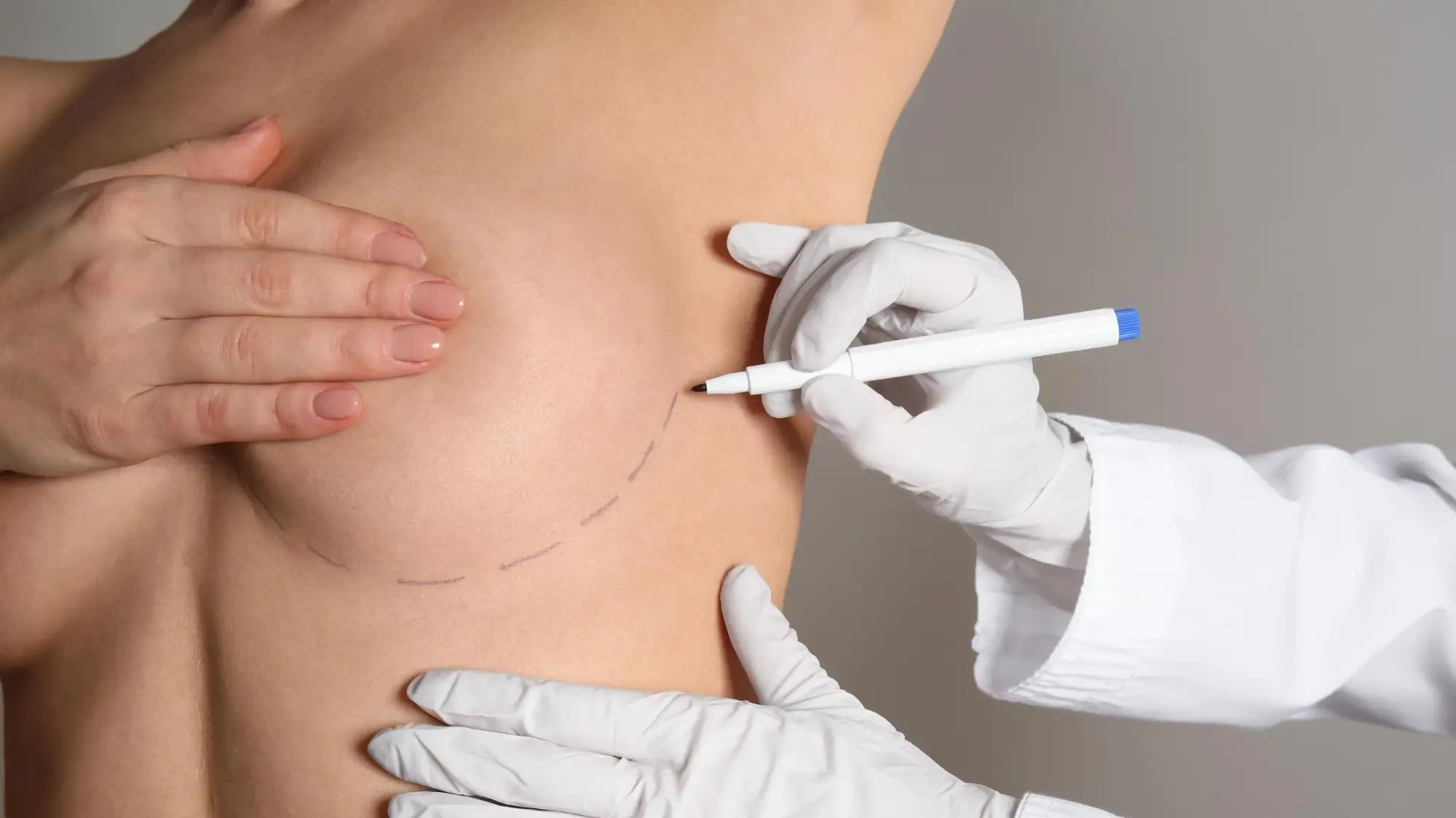
Breast reduction, also known as mammoplasty, is a surgical procedure performed to reduce and lift large and sagging breasts. During the procedure, the breasts are reduced and lifted, the nipples are moved upwards and excess skin is removed. In addition to disrupting the aesthetic appearance of women, oversized breasts also cause health problems and emotional distress. In addition to appearance problems, patients may also experience back and neck pain, shoulder pain and skin problems. Breast reduction surgery is a highly personal choice and should not be performed to satisfy the desires of others or for the sake of an ideal image.
Who is Suitable for Breast Reduction Surgery?
Breast reduction surgeries can be performed on any patient, unless there is a specific health problem. As with all aesthetic procedures, these surgeries are not performed on patients under the age of 18 unless there is a special situation. The breasts are expected to take their final shape before the procedure can be performed. Anyone who has difficulty with physical activities due to their breasts being too large, or who has back, neck and shoulder pain due to the weight they carry, can benefit from breast reduction surgery.
How is Breast Reduction Aesthetics Performed?
Breast reduction surgeries are performed under general anesthesia and in an operating room. The procedure takes approximately 2-4 hours. Breast reduction can be performed using different techniques by making different incisions. The most appropriate method for you will vary depending on your breast size, shape, degree of sagging of the breast, size and position of the nipple, skin quality, elasticity and amount of excess skin.
Before the surgery, your doctor will perform the necessary laboratory tests and anesthesia examination. A breast ultrasound or mammography performed before and one year after the surgery will be useful in monitoring any changes that may occur in the breast tissue in the future.
What are the risks of breast reduction surgery?
The risks and complications of breast reduction surgery include bleeding (hematoma), infection, wound healing problems, skin loss, possibility of partial or complete loss of the nipple, serum accumulation, irregularities in breast contour or shape, breast asymmetries, breasts not being sufficiently lifted, prolonged swelling, long-lasting pain, visible scars on the breasts, skin blemishes, temporary or permanent changes in sensation in the nipple, possibility of not being able to breastfeed, allergies to tape, suture materials and adhesives, blood products, ointments or medications, anesthesia complications, deep vein thrombosis, clot in the lungs, heart and lung complications, and possibility of revision surgery.
Breast reduction surgery may affect breastfeeding depending on the amount of reduction. If you are planning to give birth after the surgery, it is important to share this with your doctor.
What Should Be Considered Before Breast Reduction Surgery?
Before breast augmentation surgeries, mammography is performed in addition to routine examinations. If a suspicious condition is seen, breast ultrasonography may be requested. By evaluating the person’s existing system diseases, the risks related to the surgery are reduced. As in all surgeries, in breast reduction surgeries, you need to stop taking aspirin and smoking starting three weeks before the surgery. It is recommended that you stay away from blood thinning drugs and similar substances in the last week. Bleeding at a level that requires blood donation is not expected in patients, but it is preferred to use the blood taken from the patient himself/herself when necessary.
What are the Expected Results After Breast Reduction Surgery?
Three hours after breast reduction surgery, it is possible to eat and stand up. Patients are discharged the same day or the next day. In the first days after surgery, there may be increased pain with arm movements, but there is usually no severe pain. In the first three weeks after reduction surgery, the breasts do not look natural and stand higher than normal. From the third week on, they begin to soften and shrink to their desired size. It takes three months for the breasts to take their full shape.
Will There Be Any Scars After Breast Reduction Surgery?
The scar that will occur after breast reduction surgery varies depending on the surgical method chosen, the size and sagging of the breast. In some cases, breast reduction can be done with liposuction alone without leaving a scar. However, as a result of the incisions made during breast reduction surgery, there will inevitably be scars in the stitched areas. In addition to breasts that are not too large and do not have excessive sagging, a straight line scar will remain from the middle of the lower edge of the nipple down. This scar takes the shape of an inverted T in larger and sagging breasts. The lower part of the T-shaped scar is hidden by being adjusted to the fold under the breast. Since wound healing, tissue factors and skin color are different in each person, it is not possible to predict how noticeable the scar will be as a result of the surgery.
What is the Effect of Breast Reduction Surgery on Breast Cancer?
The probability of developing breast cancer in women who have undergone breast reduction surgery is reduced by approximately 50%. Although it causes some changes in the radiological appearance of the breast, it can be easily distinguished by an experienced radiologist. Pathological examination of the removed parts will provide you with useful information about the condition of your breast in the long term.
Are the Effects of Breast Reduction Surgery Permanent?
The changes that breast reduction surgery makes to the breast are permanent. Although the tissues removed from the breast do not regenerate, the existing fat tissues in the breast can expand in volume due to excessive weight gain. As a result, a stretch can be observed in the skin. However, this is not related to the permanence and success of the operation.