Information
Menu

Contents
ToggleBreast Augmentation
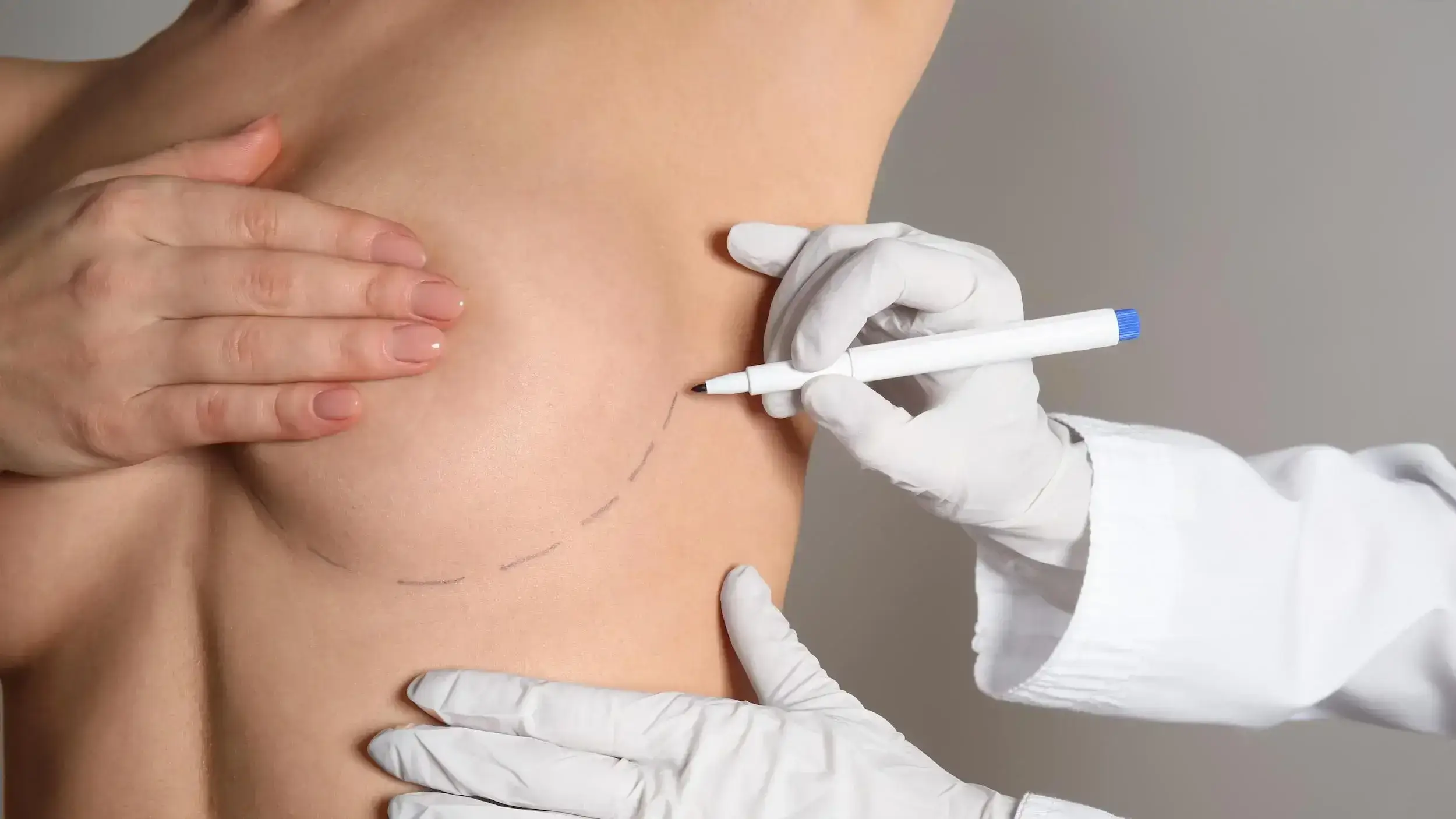
Breast aesthetics and breast augmentation surgeries are the most preferred aesthetic operations by women today. Breast tissue is enlarged using fillers (fat or ready-made fillers) or prostheses.
Silicones are made specifically for each person. The width, height and steepness of the silicone to be used in a tall woman with broad shoulders (therefore, the rib cage where the base of the silicone will be placed is wide) will differ from the width, height and steepness of the silicone to be used in a short woman with narrow shoulders (therefore, the rib cage where the base of the silicone will be placed is narrow). In addition to all these, the type of silicone can be selected as round or water drop (anatomical) according to the demands of the surgeon and the patient.
With silicone, the size of the breasts can be enlarged according to the desired size, and they can also be lifted. It does not prevent a person from getting pregnant or breastfeeding. According to research, it has been determined that the amount of silicone a baby receives from a bottle and a pacifier is many times more than the silicone placed in the breast.
In breast surgeries;
- Breast augmentation
- Breast lift
- A breast removed due to cancer can be reshaped.
With new techniques, it is possible to have a more natural look with less pain. What is meant by pain is the tension in the body cavity where the silicone is placed (the body gets used to it in a few days) and the discomfort felt during arm movements, which passes in about 2-3 days.
Breast aesthetic operations take approximately 1-1.5 hours. After the surgery, there may be a decrease in sensation in the nipple, slight bruising and swelling. These will improve over time. Using a bandage and supportive bra during this period reduces edema formation. At the same time, massaging the silicone and breast relationship becomes natural and the recovery of that area is accelerated. Protecting the operation area from hard blows is especially important in the first 2 weeks.
Breast Lift
Breast tissue may lose its fullness over time due to aging, weight loss, pregnancy and breastfeeding.
In breast lift surgeries, sagging skin is removed and the nipple is moved to where it should be. Thus, a straight line scar is formed around the brown area on the nipple and from this area to the sub-breast groove, extending vertically from top to bottom. This scar may heal imperceptibly in some people, or it may heal without leaving a scar. How the scar heals depends on personal factors, independent of the surgery and the surgeon.
Breast implants can also be performed in the same session along with the lift procedure. The patient is discharged after a few days of hospitalization. The stitches are removed 7-9 days after the surgery. After the surgery, there may be decreased sensation in the nipple, slight bruising and swelling. These will improve over time. Using a bandage and supportive bra during this period reduces edema formation.
Breast Reduction
Breast reduction surgeries are among the most difficult surgeries in plastic surgery. Usually, people want to have surgery due to back and neck pain rather than aesthetic concerns.
In the surgery, excess breast tissue is removed, the nipple is brought to where it should be and the excess breast skin is cut and removed to create a new breast shape within a plan. This incision line is then stitched up in an aesthetic way. The scar may heal imperceptibly, less noticeably or noticeably depending on the wound healing capacity of the patient’s body, regardless of the surgeon performing the surgery.
If there is excessively large breast tissue, aesthetic concerns are avoided a little more, and what is important here is health. In excessively large breasts, the scar is longer due to the removal of more breast tissue, while in smaller breasts, this scar is shorter.
The surgery takes an average of 3 hours. The patient is followed up in the hospital for 2-3 days after the surgery and must have a companion. The patient is discharged after recovering and the stitches are removed within 1-3 weeks. There may be swelling, bruising, slight loss of sensation in the nipple and bleeding due to the surgery, but these will decrease and improve within 6 weeks. It will be beneficial to use a supportive bra during this period.
Breast reduction surgeries do not prevent breastfeeding. However, you can contact us for detailed information.